Waterproofing Services NJ for Durable Foundation Protection

A foundation rarely asks for attention all at once. More often, it sends quiet signals first: a damp smell after heavy rain, a faint stain along a basement wall, a hairline crack that seems harmless until the next storm leaves a puddle where the floor used to stay dry. In New Jersey, those early signs deserve respect. The state’s mix of coastal moisture, freeze-thaw cycles, older housing stock, and clay-heavy soils can put steady pressure on below-grade walls. That is why effective waterproofing is not a cosmetic upgrade. It is a structural and financial safeguard.
Homeowners usually start thinking about waterproofing after a problem has become visible. That is understandable. Water intrusion has a way of staying hidden until it stains drywall, warps flooring, or feeds mold in a finished basement. But the strongest results come from understanding how water behaves around a house before damage spreads. Good waterproofing services NJ homeowners rely on are designed around drainage, pressure relief, foundation condition, and the realities of local weather patterns. A one-size-fits-all fix rarely holds up for long.
Why New Jersey homes face persistent moisture pressure
New Jersey creates a challenging environment for foundations because moisture comes from several directions at once. Rainfall can be heavy, particularly during storm seasons. Snowmelt saturates the soil in late winter and early spring. In some areas, a high water table keeps the ground around the home wetter for longer stretches. Near the coast, humidity remains elevated through much of the year. Inland, certain neighborhoods deal with dense, poorly draining soils that swell when wet and shrink when dry.
That movement matters. When soil expands, it can push against foundation walls. When it contracts, it can leave gaps that change how water travels. Over time, those cycles stress concrete and masonry. Tiny imperfections become pathways. Mortar joints weaken. Cold weather adds another layer of wear because water entering cracks can freeze and expand. A basement wall does not need a dramatic break to let in water. Often, the problem starts with a pinhole, a seam, or an unnoticed cove joint where the wall meets the slab.
The age of many New Jersey homes also plays a role. Older foundations were not always built with modern waterproofing membranes, drainage boards, or detailed perimeter drainage systems. Even when a house was well built for its era, decades of settlement, grading changes, clogged gutters, and repeated wetting can overwhelm original defenses.
What homeowners often mistake for a minor issue
One of the most common mistakes is treating moisture as an indoor air problem only. A dehumidifier has value. It can make a basement more comfortable and reduce musty odor. But if liquid water is entering through a wall crack or building hydrostatic pressure under the slab, a dehumidifier is just managing symptoms. The source remains active.
Another misstep is sealing the inside wall with paint and expecting the issue to disappear. Interior sealants can help in limited cases, especially as part of a broader system, but they are not a substitute for drainage correction. Water pressure does not stop because a coating looks clean. In practice, that pressure often finds another route. I have seen basements where one patched crack stayed dry for a season, only for water to emerge two feet away during the next major storm.
The same goes for grading shortcuts. Bringing in a little topsoil near the foundation can help if the yard slopes the wrong way, but it is not a cure for failing footing drains, missing downspout extensions, or an exterior wall that has never been properly waterproofed. Durable foundation protection comes from diagnosing the path water takes from roofline to soil to wall, then interrupting that path in the right places.
What proper waterproofing services actually involve
The phrase “Waterproofing services” covers a wide range of work, and that is part of the confusion in this market. Some companies focus almost entirely on interior drainage systems. Others specialize in excavation and exterior membrane application. Some do crack injection well but are not set up for structural repairs. The best approach depends on the house, the lot, and the type of water entry.
At a high level, true waterproofing work should answer four questions. Where is the water coming from? How much pressure is building around or beneath the foundation? Is the foundation itself compromised? What measures will keep the problem from recurring, not just move it out of sight?
Exterior waterproofing is often the most complete option when walls are accessible and the budget allows. That process may involve excavating down to the footing, cleaning and repairing the wall surface, applying a waterproof membrane, adding a drainage board, and improving perimeter drainage. Done correctly, it keeps water from entering the wall assembly in the first place. It is labor intensive, and it can be disruptive, especially around mature landscaping, walkways, decks, or tight side yards. Still, on homes with chronic seepage through below-grade walls, exterior work can transform a vulnerable foundation into a stable, dry envelope.
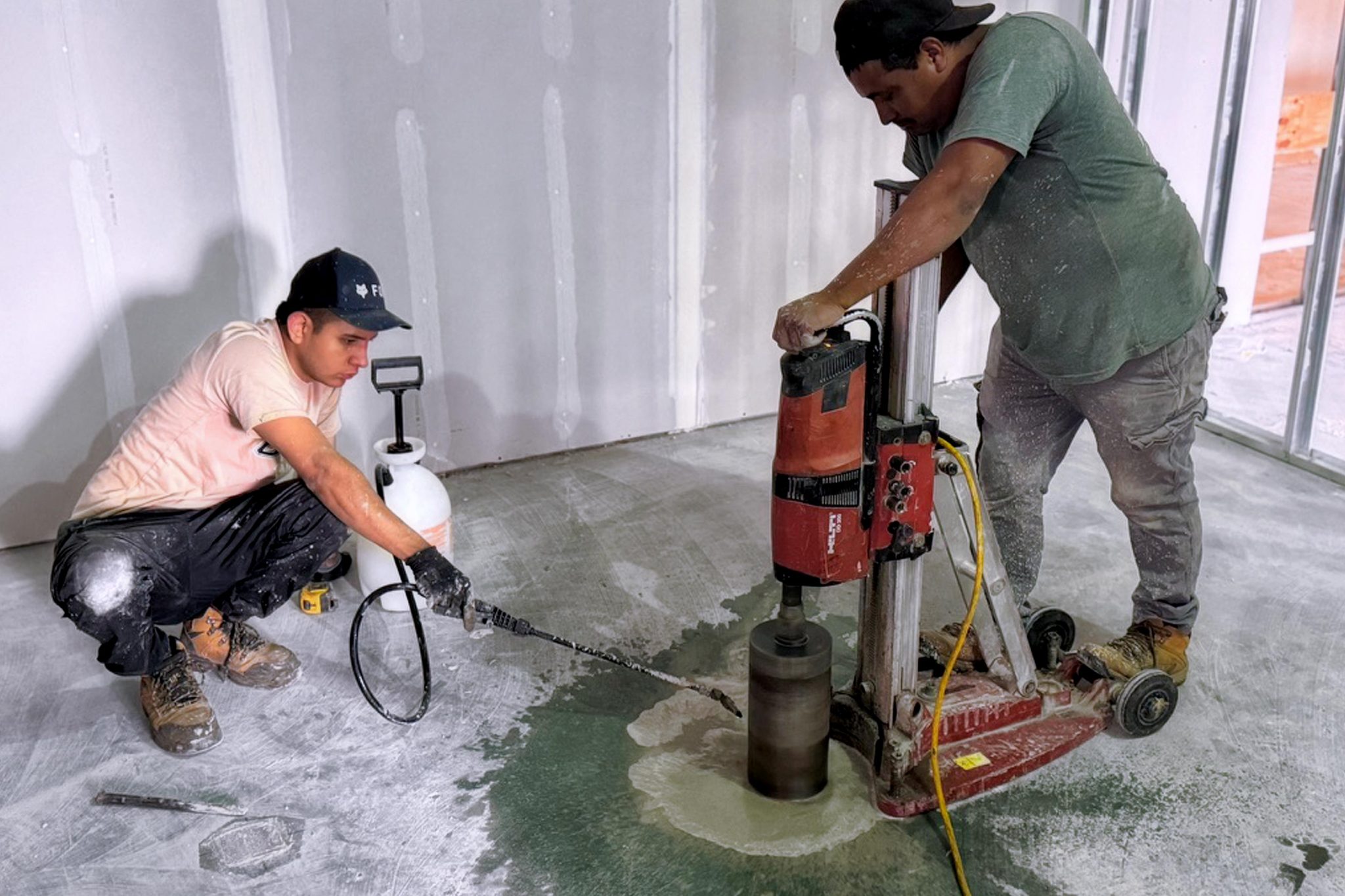
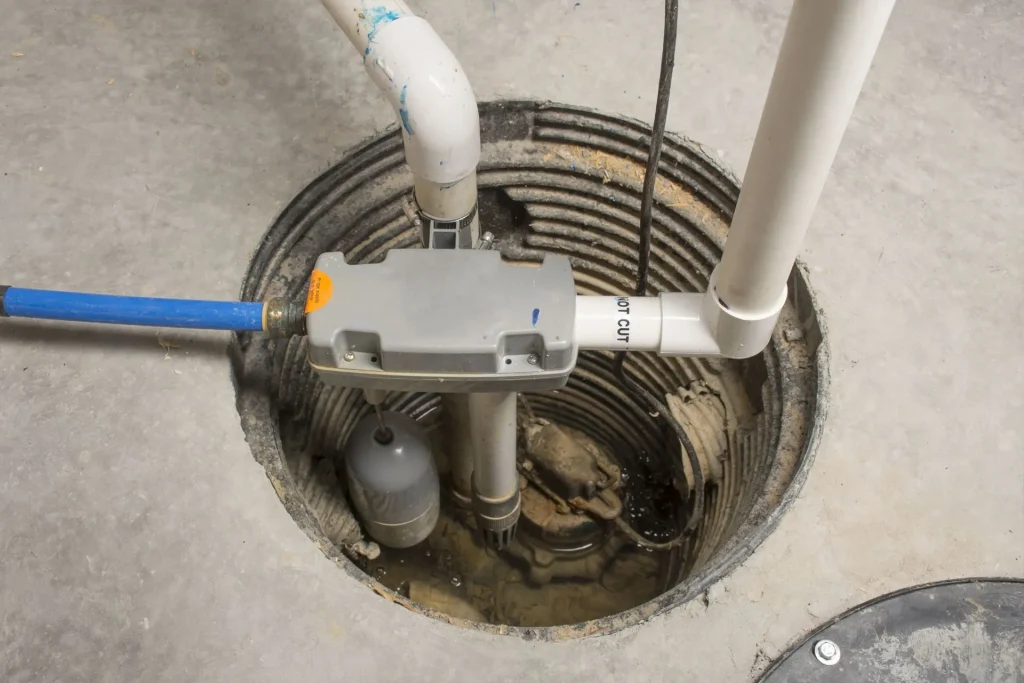
Interior drainage systems serve a different purpose. They manage water that reaches the inside perimeter by collecting it at the basement edge and directing it to a sump pump. In homes where exterior excavation is impractical, or where groundwater rises beneath the slab, this can be a reliable and sensible solution. It does not stop water from touching the outer wall, but it relieves interior flooding risk and pressure at the floor perimeter. Many successful waterproofing projects in New Jersey use interior drainage because lots are tight, access is limited, or neighboring structures make exterior work difficult.
Crack injection is another specialized service. For poured concrete walls, polyurethane or epoxy injection can seal active leaks and restore continuity across the crack. The method works best when the crack pattern is understood. A simple shrinkage crack is one thing. A widening crack caused by settlement or lateral pressure is another. Good contractors do not just inject and leave. They determine whether the crack is cosmetic, active, or structural.
Crawl spaces deserve mention too. In much of New Jersey, damp crawl spaces lead to insulation failure, mold growth, wood decay, and poor indoor air quality. Waterproofing here often means vapor barriers, drainage improvements, sump installation, and in some cases encapsulation. Since air from below can move upward into living areas, this work affects the whole house, not just the crawl space.
The warning signs worth taking seriously
Some indicators are obvious. Others are easy to dismiss until repairs become expensive. If you notice any of the following, https://www.google.com/maps?cid=15618896523686751270 it is smart to schedule a professional evaluation sooner rather than later:
- Musty basement odors that return even after cleaning
- White chalky residue, often called efflorescence, on foundation walls
- Water stains, peeling paint, or bubbling wall finishes below grade
- Cracks in basement walls or where the floor meets the wall
- Standing water, damp spots, or a sump pump that runs constantly after rain
A single symptom does not always mean major failure. Efflorescence, for example, is not mold. It is a mineral deposit left when water moves through masonry and evaporates. But it is still evidence that moisture is traveling where it should not. That distinction matters because proper diagnosis prevents overreaction and underreaction alike.
Hydrostatic pressure, the force many homeowners never see
If there is one concept that explains most basement water problems, it is hydrostatic pressure. When the soil around a foundation becomes saturated, water builds pressure against the wall and beneath the slab. Concrete is strong in compression, but it is not magically waterproof. Masonry block walls are even more vulnerable because they contain joints and hollow cores. Under sustained pressure, water looks for relief through cracks, seams, and porous material.
This is why leak patterns often worsen after several days of rain, not just during a quick shower. The ground becomes progressively saturated, pressure rises, and pathways that stayed dry under lighter conditions begin to seep. I have also seen homeowners assume a wall crack caused the problem when, in reality, poor roof drainage was saturating the same corner over and over. The crack was the release point, not the root cause.
That is why a serious waterproofing inspection should start outside. Roof runoff, gutter performance, downspout discharge, grading, patio slope, window wells, retaining walls, and nearby hardscapes all influence moisture loading around the foundation. A basement leak is often the visible end of a much larger drainage story.
Exterior waterproofing versus interior water management
Homeowners often ask which system is better. The practical answer is that each solves a different problem, and the right choice is based on conditions, access, and goals.
Exterior waterproofing is best understood as prevention at the source. It blocks and redirects water before it enters the wall. When a foundation wall is exposed for repair anyway, perhaps due to severe cracking, bowed sections, or major seepage, this is often the strongest long-term route. It is especially attractive when finishing the basement is planned, because keeping wall assemblies dry from the outside reduces future risk.
Interior systems are more about control and relief. They collect water that has already reached the inside perimeter and move it safely away. In many New Jersey basements, especially where groundwater is active beneath the slab, this is the most realistic defense. A well-designed system paired with a dependable sump pump and battery backup can perform very well through heavy weather.
The strongest recommendation often lands somewhere between extremes. Exterior drainage correction, gutter upgrades, grading improvements, targeted crack repairs, and an interior perimeter system may work together. The point is not to chase the most expensive option. The point is to stop water movement in the most effective sequence for that specific property.
Why sump pumps and backups deserve more respect
Sump pumps are easy to ignore because they sit in a pit and do their work out of sight. Yet they are often the last line of defense during severe weather. In storm-prone regions, pump reliability matters as much as the drainage system feeding it. A basement can remain dry for years and then flood in a single outage if the primary pump fails during peak runoff.
That risk increases when heavy rain and power interruptions happen at the same time, which is not rare during coastal storms or summer thunderstorm events. Battery backups or water-powered backups add resilience. They are not glamorous purchases, but they often decide whether a finished basement stays intact. A contractor who treats the pump as an afterthought is missing the point of the whole system.
Pump discharge location matters too. Water should be directed far enough from the house that it does not cycle back toward the foundation. In winter, discharge lines should be configured to reduce freezing risk. These details sound small until a frozen exterior line forces water back into the pit and onto the floor.
Foundation cracks, when to monitor and when to act
Not every crack signals structural danger, but every crack tells a story. The challenge is reading it correctly. Thin vertical cracks in poured concrete may result from curing and minor settlement. They still deserve sealing if they leak, but they are not automatically alarming. Horizontal cracks, step cracks in block or brick, inward bowing, or widening patterns deserve a more urgent look because they can indicate lateral soil pressure or movement beyond routine shrinkage.
Seasonal change can complicate the picture. A crack may look quiet during a dry spell and turn active after prolonged rain. This is why experienced contractors ask about timing. When did the leak appear? Does it correlate with storms, snowmelt, or spring thaw? Has the crack changed over a year or two? Homeowner observations are often more useful than people realize.
Documentation helps. A dated photo every few months can reveal whether a crack is stable. If movement is ongoing, waterproofing alone may not be enough. Structural reinforcement, wall anchors, carbon fiber straps, or other corrective work may be needed before or alongside moisture control.
The value of a site-specific inspection
A thorough inspection should feel investigative, not rehearsed. The contractor should spend time outside, not just in the basement. They should ask where water appears, when it appears, and how long it takes to dry. They should look at grading, roof drainage, vegetation, hardscape slope, and neighboring lot conditions. If every house receives the same canned recommendation in the first ten minutes, caution is warranted.
Good waterproofing services NJ homeowners can trust are usually grounded in diagnosis first. A split-level with a partially below-grade lower level may need a very different solution than a century-old home with stone foundation walls. A finished basement used as living space has different risk tolerance than an unfinished utility basement. The best contractors explain trade-offs clearly, including what a system does not solve.
One homeowner in central New Jersey described repeated water near the front wall after moderate rain. The basement itself looked decent at first glance, and another company had recommended a full interior perimeter system. A closer inspection showed that one downspout discharged right at the corner, and the front walkway had settled toward the house. Fixing runoff management and reestablishing slope solved most of the issue. A smaller targeted repair addressed the remainder. That is a useful reminder: honest diagnosis can reduce both overbuilding and overspending.
Cost factors homeowners should understand
Waterproofing costs vary widely because access, system type, foundation condition, and water severity all matter. A simple crack injection is not in the same category as full exterior excavation with membrane application and drainage replacement. Sump pump installations, crawl space encapsulation, grading work, and structural reinforcement each change the budget picture.
Rather than chasing a universal average, it helps to think in layers. The least invasive work usually addresses localized entry points or drainage defects. Mid-range work often includes interior drainage systems with sump installation. Higher-end projects typically involve excavation, exterior waterproofing, significant structural repair, or complex access challenges such as tight urban lots and obstructed property lines.
The cheapest proposal can be the most expensive if it only masks symptoms. On the other hand, the largest proposal is not automatically the best. Some homes genuinely need a comprehensive system. Others need disciplined troubleshooting and a few well-executed corrections. Asking what evidence supports the recommended scope is one of the best ways to protect your budget.
Choosing a contractor without getting sold a generic system
A reliable waterproofing contractor should be able to explain the problem in plain language, identify likely water paths, and justify the recommended repair. That sounds simple, but it separates seasoned specialists from sales-driven operations. Before signing, ask questions that reveal how they think:
- What is the primary source of water at this property?
- Why is this solution better than the alternatives here?
- Will this address hydrostatic pressure, surface runoff, or both?
- What maintenance will the system need over time?
- How will landscaping, walkways, or finished spaces be affected?
You are not looking for perfect certainty. Water behavior can be complex. You are looking for practical reasoning, clear scope, and realism about limitations. If a contractor claims one method solves every basement problem, that is usually a red flag.
It also helps to ask who will actually perform the work. Installation quality matters. A well-designed drainage system can disappoint if the pitch is wrong, the pump is undersized, or wall prep is rushed before an exterior membrane goes on. Durable foundation protection depends on execution as much as product choice.
Maintenance after the waterproofing work is done
Even excellent waterproofing systems need support from routine maintenance. Gutters should stay clear. Downspouts should continue discharging away from the house. Yard drainage should be checked after landscape changes, new patios, or fence installations that alter runoff patterns. Sump pumps should be tested, especially before storm season. Battery backups have a lifespan and need periodic review.
This is where many water problems quietly return. A house may stay dry for several years after professional work, then develop new moisture because a gutter line clogs, a discharge pipe freezes, or regrading settles. Waterproofing is durable when the whole drainage chain remains intact. It is less forgiving when one neglected component sends water back toward the foundation month after month.
For homeowners finishing a basement after repairs, material choices matter too. Moisture-tolerant finishes, careful insulation strategy, and access to critical mechanical components can reduce future headaches. A basement that once had water intrusion should be finished with that history in mind, even if the repair has been strong.
Durable protection comes from judgment, not just products
There is no shortage of materials in this industry: membranes, coatings, drain boards, vapor barriers, pumps, liners, sealants, and crack injection systems. All have a place. None replaces judgment. The right answer depends on soil conditions, house age, drainage patterns, structural condition, and how the space is used. That is why waterproofing is part building science, part field experience.
New Jersey homeowners benefit most when they treat water intrusion as a solvable system problem rather than a mysterious nuisance. The signs usually appear before the damage becomes severe. When they do, timely action protects more than a basement floor. It protects framing, air quality, finished living space, resale value, and the structure carrying the entire home.
The best waterproofing services NJ has to offer do not rely on fear or gimmicks. They start with careful observation, match the repair to the actual cause, and build in the kind of redundancy that holds up through wet springs, coastal storms, and long freeze-thaw seasons. That is what durable foundation protection looks like in practice: not a quick patch, but a strategy that respects how water moves and how houses age.
ARD Waterproofing
Address: 98 Smull Ave, West Caldwell, NJ 07006
Phone number: +12016465936
FAQ About Waterproofing Services NJ
How much can waterproofing cost?
Stephanie holds a bachelor's degree in journalism from California State University, Long Beach. Basement waterproofing costs around $13,640 on average for a 1,000-square-foot basement, but estimates can range from $12,447–$14,833, depending on the severity of the issue.
Which company is best for waterproofing?
The "best" company depends on your specific need—whether you are looking for local contractors to fix a wet basement or global manufacturers providing commercial-grade chemicals.
What is the best time to do waterproofing of your home?
As the rains subside, it makes for the perfect time to work on waterproofing your home. With no high temperatures and harsh rains to disrupt the process of waterproofing your home, you get to rapidly protect your home in time.